Related
In recent sentence there has been a rush in the pursuit in self - sustainability and homesteading . It has lead to an increase in mass who go growing yield and vegetable in their gardens and planter on their rooftop or balconies . However , it is never as simple as planting the seed and waiting .
Many ingredient find the quality and the growth of our crops . Unfortunately , we are not always aware of them , which moderate to our veggie gardens struggling . Oftentimes this can discourage us and make us abandon an otherwise wonderful project .
But what can we do once we see that our vegetable garden is deteriorating ? As observe earlier , there are many reasons this could be happening . It is why down below we will talk about the 10 most pop cause why your vegetable garden is struggling and what you could do to touch on that .

10 Reasons Why Your Vegetable Garden is Struggling and What You Can Do to Fix it
1. Not Enough Sun
Image credits : Markus Spiske via Unsplash
Like all plants , vegetables depend on sunlight for photosynthesis to begin . However , it is important to think back that while some plants can require a full day of sunshine , others prefer less . It is why you should always find more information about the vegetable you are engraft so that you could decide what the best placement for it would be . However , sometimes there ’s just not enough sunlight . It will be prosperous to notice since when this happens the plants lose their vividness . So what do we do then ?
Well , the best option would be to move on to container gardening . All you would have to do isplant the sunlight - get laid vegetables into a containerand place it in a sunny situation . In the space in your garden , that has now become free , you may set herb and vegetable that can abide more nicety . Some object lesson of those would be lettuce , kale , spinach , chives , Petroselinum crispum , and thyme .

2. Soil Lacks Nutrients
range credit : FORREST CAVALE via Unsplash
The lack of nutrients in the soil can be mortal to most plants , but thankfully , it is sluttish to spot . First , you have to decree out the want of enough Lord’s Day or water . If after that , you see that your plants are still not growing as quickly as they should and that their leaf are losing color , you should look at take some dance step towards enriching their ground . There are a few way you could do this .
The most popular one is by adding rinse ground umber into the soil . It is the unadulterated fertiliser for all plant that love acidulent filth . Another option is using banana tree peels . They are a peculiarly respectable approximation because they hold back potassium , nitrogen , phosphorus , and atomic number 12 . you’re able to either put the peels on top of the surface soil a few in aside from a plant ’s shank or cut them into pieces and bury them .
3. Bad Weather Can Wreak Havoc
prototype credits : Markus Winkler via Unsplash
Temperature and humidness are very significant to plant emergence . However , the atmospheric condition is always very irregular . From uninterrupted rainstorm , through long dry piece , to sudden cold fronts - not all plants are build to last . But what can one do if the weather is just not persistent enough ? look on what precondition you are combatting there are a few pick .
If you are afraid that the temperature is too low or the winding are too strong for your garden , you’re able to always invest in a greenhouse or make yourself a ring house . However , if you settle to add heating inside , it could get pricy if you use electrical energy . Moreover , you should always look at planting veggies that can last in moth-eaten conditions , like parsnip , Daucus carota sativa , beets , leeks , and scratch .

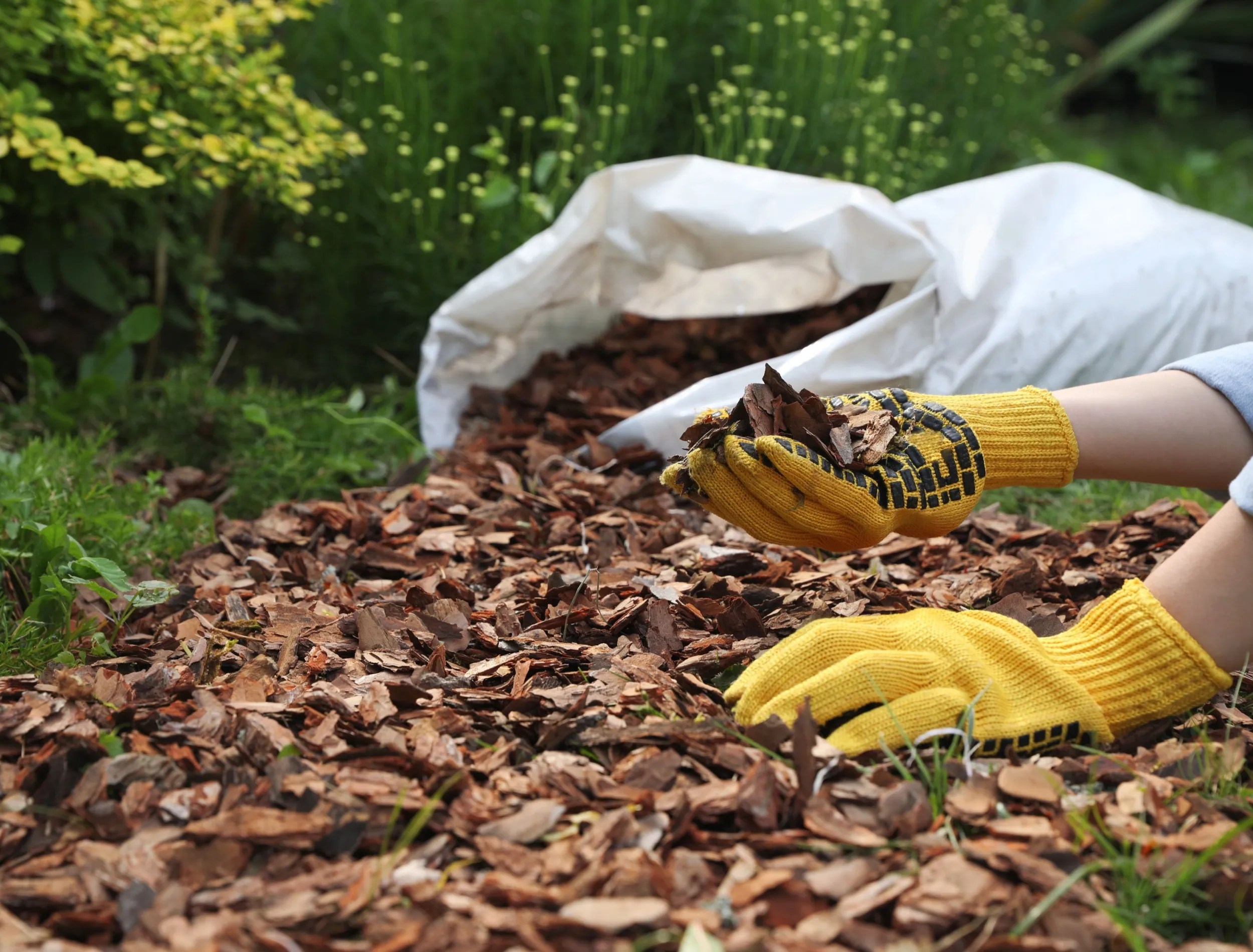
On the other hand , if you are afraid of a heatwave , you should make certain that your ground has enough moisture by using mulch . you’re able to also try out and build a simple A - frame over your plants so that you ensure they have some shade .
4. Choosing the Wrong Variety of Vegetables
Image credits : Kelly Neil via Unsplash
Like all flowers and fruits , vegetables have their seasons . It means you’re able to not await veggies like cucumbers and tomatoes to grow in the winter . Before planting , secure that the veggie is suitable for the time of year . Some winter unity are kale , leeks , Raphanus sativus , and turnips . During the spring it is time for carrot , artichoke , chives , root celery , and asparagus .
In the summer , the weather condition is best for tomato plant , Brassica oleracea italica , cucumber vine , zucchinis , and fleeceable beans . As for the fall , you should go for cauliflower , garlic , mushroom , potato , and cherubic potatoes . To avoid the conflict , you need to knowwhen to plant your vegetable garden .

5. Overwatering, or Water-Logged Soil
Image reference : Kew Li Wen via Unsplash
Even though water is crucial for a plant to go , it can just as rapidly down it . This is why it is important to understand how much and how often you should water each vegetable you plant in your garden . However , if you are go through soil waterlogging , it is not as simple .
One way to care with it is by improving your soil social structure . you’re able to do so by in good order fertilizing it . If that does n’t help , you should raise the soil level in the planting areas . It is n’t unmanageable to do - you pile up the soil into a ridgeline essentially building a raised bed . regrettably , for situations in which the soil is waterlogged all the prison term , you will have to fall back to building French drains .

6. Pests, Insects, Weeds, and Disease
Image credits : Arjun MJ via Unsplash
pest and insects have been always been one of the primary reasons for a vegetable garden to sputter . It is why it is of import to keep an eye out for any of them that you see . You should be proactive , rather than reactive and spray the plant before they get infected .
When it comes to weeds , you should make trusted that they do n’t have time to grow too much to become a trouble . weed or hoeing weeklyis very significant . you may also endeavor to prevent weeds from growing by laying a layer of constitutive mulch between each words of vegetable .

Last but not least - disease . It is easy to notice , and it is important to react as quickly as possible . Once you identify the symptoms or the disease itself all you ’ll need to do would be to take a trip-up to the agro - drugstore .
7. Over-Fertilization
Image Source : Oregon State University via Creative Commons
Fertilizer can help your plants . However , if not used in right social disease , it can also for good damage them . When applying fertilizer , you should always read the focus on the publicity . Since plant food can not be dissolved by nature , they can be very harmful to plants and soil .
You should alwaystest your soilbefore apply fertilizer . Moreover , it is just to apply homemade compost since it is constitutional , less concentrated , and releases nutrient more slowly .

8. Poor Water Quality
Image course credit : Tony Pham via Unsplash
You must control that your water calibre is gamy enough for growing vegetables . you could always check that by become a piddle analytic thinking , which will tell you about the water ’s salinity , alkalinity , macro - nutrient , and micronutrients .
When the quality is not mellow enough , several takings can occur , include toxicity , deficiencies , and irrigation equipment damage . One of the in effect ways to deal with this is by collecting rainwater , using practise wells and surface water .

9. Planting In Too Little or Too Much Sun
As we mentioned before , one of the most important aspects of vegetable growing is to know whether a flora postulate sun or shade . If you ’ve made the mistake of engraft a shade - loving veg in the direct sun , you’re able to endeavor to make an A - frame with a cover for more spook .
However , if you plant a Sunday - have a go at it vegetable in the shade , the in effect course of action would be to move the plant life into a sunny area .
10. Planting Vegetables Too Close to Each Other
picture credit : Viviane Pasta via Unsplash
You should never set any crops too close together . It is why you should always verify that they have sufficient space between one another . in general , it is a good approximation to permit about 10 inches between veggies .
Conclusion
horticulture is supposed to be a stress - devoid hobby . However , your garden struggling can be a very discouraging experience . If this is yourfirst time horticulture , you may not cognise exactly what to expect . IT is why we compiled a list of the 10 most common reason for your vegetable garden struggling and the best ways to deal with them .


