This Emily Price Post may arrest affiliate links .
apportion this spot or pin it for after !
While spring and fall are mutual times for pruning , some perennial plants also do good from a mid - time of year trim during the summer . When done correctly , summer pruning can advance a second round of flush , prevent plants from becoming too leggy , and keep your garden looking its estimable throughout the time of year . Let ’s take a look at why and how these perennial flora should be pruned in the summer :

1. Salvia
As the glorious heyday spikes of salvia works fade , cut them back by about one - third . This helps to keep the plant compact and further a second flush of efflorescence . When summer pruning salvias , make certain to avoid cutting into the woody stems .
2. Coreopsis
If yourcoreopsisplants are lead off to look unruly , they can cope with being rationalize back by about one - third in the summer to sustain a sizable coming into court . Regular deadheading throughout the summertime helps to extend theblooming seasonand prevents the plant from self - seeding too aggressively .
3.Catmint
Once establish , catmintgrows smartly , and trim back the entire plant by one - third after its first flush of prime will promote a second , more racy flower cycle . This also helps keep the industrial plant bushy and prevents it from sprawling too much .
21 Plants That Thrive Next to Catmint
4.Lavender
After the first blooming , lightly trim the flowering stem oflavenderplants back by a few inches to encourage a 2nd , light rosiness later in the season . deflect cut into old wood , aslavenderdoes not regenerate well from that point .
5. Phlox
summertime pruning increase aura circulation and shorten the danger of mould in phlox plant . Regular deadheading will also encourage the plant to continue blossom long into the summer .
6.Blanket Flower
Shearing backblanket flowerplants by one - third will promote overbold , shaggy growth and continue blossom production .
16 Gorgeous Wildflowers Perfect for Low Maintenance Gardens
7. Daylilies
Oncedaylilieshave finished flower , remove the pass efflorescence stalks to tidy up the plant and redirect energy into new growth . If the foliage start to look ragged , you could also lop it back to promote novel farewell .
These 12 Fall Blooming Perennials Will Be Everywhere This time of year
8.Shasta Daisy
Deadheading pass blooms will extend the anthesis period ofShasta daisiesand prevent the flora from self - seeding . In tardy summertime , you’re able to cut the plant back by about one - third to promote a hefty shape and prepare it for a 2d , smaller bloom .
9. Russian Sage
Prune Russian salvia when the blossom begin to fade and the stems start to look woody . swerve back the stem turn by about one - third to defend the plant ’s form and prevent it from becoming too leggy .
10.Yarrow
In late summertime , reduce the flowering halt ofyarrowback to the basal leafage to tidy up the plant and fix it for winter .
11. Penstemon
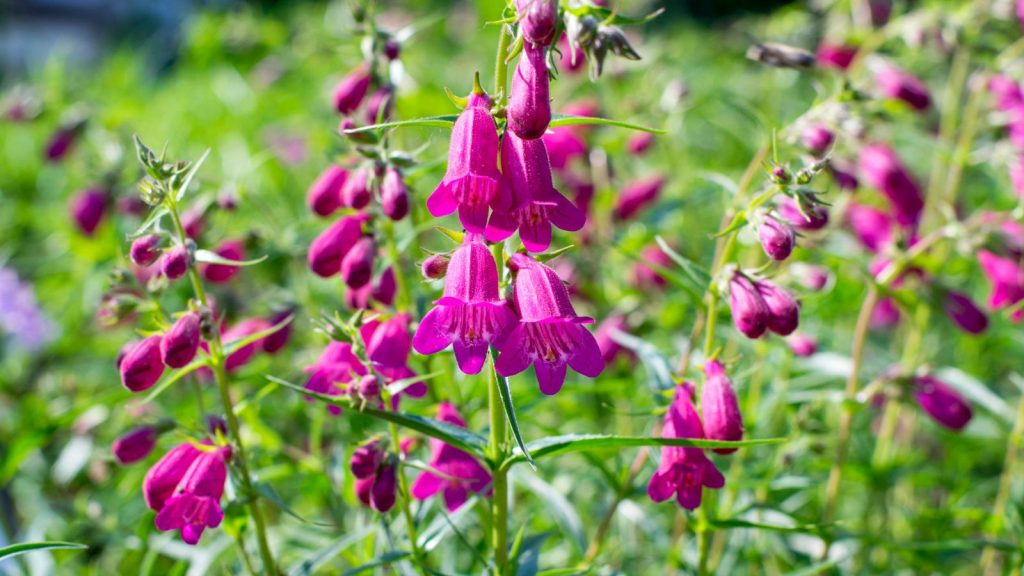
After the first flush , snip back penstemon flower spike to encourage continuous bloom . If the industrial plant starts to appear leggy , you may also prune it back by one - third to promote bushy growth .
12.Coneflowers
Prune and deadheadconeflowerswhen the petals commence to fade and sag to promote more blooms . If the flora begin to look untidy , you’re able to also cut it back by about one - third in the summer to keep a thick anatomy .
13.Bee Balm
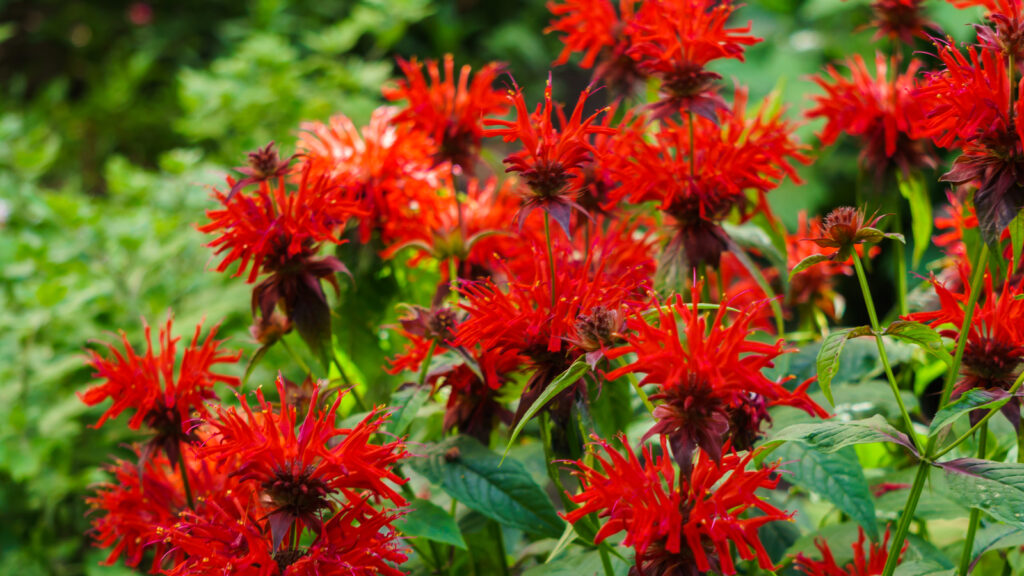
After the first bloom , sheer backbee balmby about half to encourage new growth and reduce the risk ofpowdery mildew . This will also stimulate the industrial plant to produce a second , smaller bloom later in the season .
18 Red Flower Varieties to Add Stunning Color to Your Garden
14. Speedwell
Ifspeedwellstarts to become leggy , crop it back by one - third in midsummer to promote fresh growth and maintain a more compendious bod . veritable deadheading of faded bloom will stretch forth the bloom period and keep the plant look neat .
15. Geranium
After the first bloom , fleece back the intact geranium plant by one - third to promote a second flush of bloom and fresh , bushy maturation .
16.Astilbe
Once the heyday have wither , remove the pass flower spikes to keep theastilbeplants look neat and forbid them from expending energy on source production . In late summer , you could also cut back the foliation if it starts to reckon timeworn or diseased .
17. Hosta
Regularly take away yellow or damaged leaves of hostas throughout the summer to maintain the industrial plant ’s appearance and wellness . After bloom , flower stalks can be cut back to the cornerstone to keep the plant count tidy .
18. Coral Bells
After the flowers slicing , murder the spent stalks of coral bell to direct energy back into the leafage , which is the plant ’s main draw .
19. Sedum
Pinch back the growing wind of sedums in early summertime to encourage bushier growth and more flower . In late summertime , dry out prime head word can be removed to maintain the plant ’s visual aspect and prevent self - seeding .
20. Balloon Flower
If balloon flowers become too tall or lead off to fall through , you could cut them back by one - third in midsummer to maintain a more compact pattern .
18 Brilliant Blue Perennials to Add Splashes of Color to Your Garden
21. Lobelia
After the first flush of blooms , trim back lobelias by about one - third to boost a 2d flowering and keep them from becoming leggy .
22.Delphinium
Pruning delphinium in the summer prevents the plant from becoming too top - heavy and potentially tip over .
23.Black-eyed Susan
Black - eyed Susanplants can be clip back by one - third in the summertime to keep up a more compact shape .
24. Chrysanthemum
Pinch back the stems of chrysanthemum in early summer to encourage bushy increment and a more abundant fall flush . proceed to deadhead throughout the season to extend the blossoming period of time and keep the plant calculate keen .
19 Flowers You ’ll Adore If You get it on Hydrangeas
25. Lamb’s Ear
After inflorescence , prune back the flower stalks of lamb ’s pinna to prevent the industrial plant from becoming too leggy and to keep its compact , tidy appearance . Removing discredited or yellowing leaves throughout the summertime also help keep the plant looking its best .
26. Campanula
After the first bloom , cut campanulas back by one - third to boost a second rung of inflorescence and prevent them from becoming too leggy and sprawl .
27. Pincushion Flower
even deadheading of pincushion flowers encourage more blooms and keeps the plant reckon neat . If the plant starts to front leggy or spread out , make out it back in midsummer to promote fresh , bushy growth and maintain its shape .