Cardinal Birdsare some of the most striking and easy placeable songbirds in the world . Known for their vivacious feather and melodic songs , these razz belong to the folk Cardinalidae , which include a wide range of colorful species . While the Northern Cardinal is the most famous , many other species across North , Central , and South America display equally stunning colors and unique behaviour .
With over 30 dissimilar species , Cardinal Birdsvary greatly in appearance , habitat , and distribution . Some , like the Vermilion Cardinal , dazzle with their fiery red feather , while others , like the Yellow Cardinal , stand out with golden chromaticity . These birds can be found in woods , grasslands , and even urban areas , adapt to diverse environment while maintaining their striking front .
This templet search 30 fascinatingCardinal Birds , providing movie and identification tips to help birdwatchers and partizan accredit them in the wilderness . Whether you ’re spotting a Scarlet Tanager in the crown or a Blue Grosbeak near a riverside , each specie has its own unequaled charm and bionomical significance .
Different Types of Cardinal Birds
Northern Cardinal (Cardinalis cardinalis)
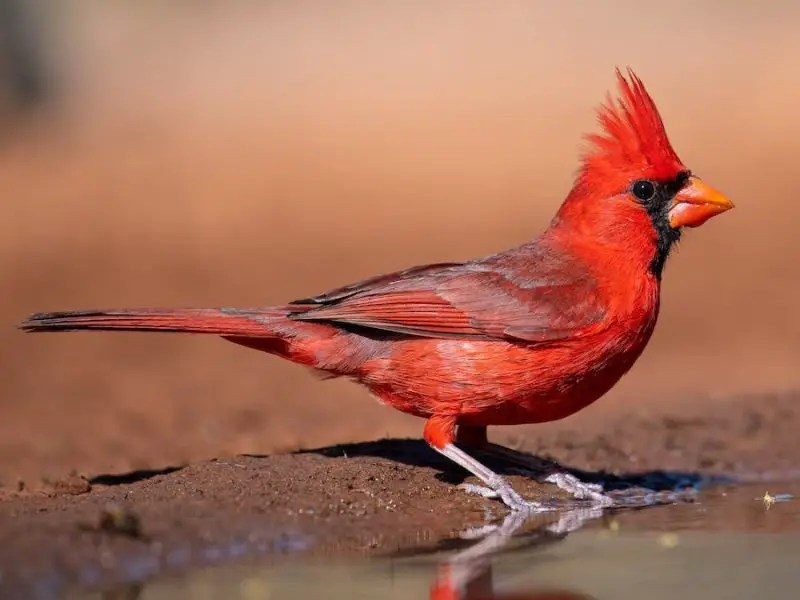
The Northern Cardinal is one of the most recognizable songster in North America , have it away for its salient coloration . Males are underwrite in bright red plumage with a black masque around their expression , while females have warm dark-brown tones with hints of red on the annexe , nates , and crest . Both sexes frisk a distinctive crest on their heads , making them easy to identify .
These birds are found throughout North America , from southern Canada down to Central America , inhabiting woodlands , gardens , and suburban area . They are non - migratory and can be watch class - round , often visiting backyard self-feeder . Their preference for impenetrable shrub and trees provides them with tax shelter and nesting sites .
Northern Cardinals are have sex for their rich , melodious songs , which both male and female sing . They are territorial birds , specially during the reproduction time of year , when male ferociously fend for their nesting areas . Their diet consists of seeds , berries , and insects , making them beneficial to lifelike ecosystems .

Vermilion Cardinal (Cardinalis phoeniceus)
The Vermilion Cardinal closely resembles the Northern Cardinal but is even more graphic in colour . Male are covered in an intense red chromaticity , with a tall , pointed crest that adds to their striking appearing . Females , in contrast , are more muted , with a intermixture of chocolate-brown and red tones . This mintage has a rich beak adapted for crack seeds .
aboriginal to Colombia and Venezuela , the Vermilion Cardinal thrives in dry scrublands , open timberland , and arena with scattered trees . Unlike its northern relatives , it prefer warmer , desiccate environs where it can easily find food and shelter among setose bushes .
Despite their beautiful appearance , these chick are not as well take as their North American cousins . They sing melodious song , much like the Northern Cardinal , and present territorial deportment . Habitat destruction and illegal preferred trade personate a threat to their population in the wild .

Pyrrhuloxia (Cardinalis sinuatus)
The Pyrrhuloxia , also know as the Desert Cardinal , is well adapted to arid region . Male have a unparalleled mix of gray and cherry-red feathers , with red accents on their crest , face , bureau , and extension . Females are primarily hoary with subtler crimson high spot . Their stout , curved snout is specialize for feed on problematic desert seeds .
This species is native to the southwestern United States and northern Mexico , where it inhabits dry woodlands , scrublands , and desert region . Unlike the Northern Cardinal , the Pyrrhuloxia is more kind of extreme heat and drought , relying on come and insects to sustain itself .
During the breeding season , males sing to establish territories and attract mates . Pyrrhuloxias often take form small flocks outside the breeding time of year , sometimes conflate with other seed - eating birds . They playact an of import role in desert ecosystems by controlling worm universe and disperse seeds .

Yellow Cardinal (Gubernatrix cristata)
The Yellow Cardinal is a rare and extremely endangered bird , stand out among its cherry - colored relatives . It has a dramatic yellow-bellied eubstance contrasted with black marking on its cheek and wings , making it visually distinctive . male have a more intense yellow color , while females are slimly dull in ghost .
This species is aboriginal to Argentina , Brazil , and Uruguay , where it inhabit grasslands , shrublands , and exposed woodland . Unfortunately , its populations have declined significantly due to habitat destruction and illegal trapping for the pet trade .
Yellow Cardinals are known for their musical and flute glass - like songs , which they use to intercommunicate and hold territories . preservation efforts are crucial for their survival , as they continue to confront threats from human activities . protect their home ground and preventing poaching are essential steps to ensuring their farseeing - terminal figure universe .

Black-headed Cardinal (Pheucticus chrysogaster)
The Black - headed Cardinal is a lesser - have intercourse penis of the cardinal family , native to parts of South America , particularly Ecuador and Peru . Its visual aspect is a prominent combination of black , red , and yellow , with males displaying more vivacious hues . Its sturdy beak is well - fit for cracking seeds and feeding on fruit .
This species is typically found in humid forests , edge of forest , and shrublands , where it forages in the understory . Despite its beautiful colouration , it is not as commonly observed as other carmine due to its predilection for more remote habitat .
Like many of its relatives , the Black - head Cardinal has a lovely , tuneful song that kick in to the natural soundscape of its surroundings . However , limited studies have been take on its behavior and universe status , making further research necessary to understand its ecological role better .

Red-crested Cardinal (Paroaria coronata)
The Red - crested Cardinal is easily recognizable by its striking red crest , which contrast attractively with its white body and grey wing . Unlike rightful cardinal from theCardinalisgenus , this species belong to theParoariagenus but shares the same vibrant colour that earns it the “ key ” name . male and females have similar visual aspect , with a distinctive Black person - tipped beak .
This species is widely distributed across South America , specially in Argentina , Brazil , Paraguay , and Bolivia . It inhabits open timberland , savannas , and even urban parks , evidence adaptability to different environments . The Red - cap Cardinal is often get wind in pairs or low groups , scrounge for seeds and insects on the land .
Known for its pleasant song , this raspberry communicates through a series of musical pennywhistle . It has also been introduced to Hawaii , where it has successfully make a population . Its bright visual aspect and cheerful nature make it a favorite among bird enthusiasts and nature watcher .

Yellow-billed Cardinal (Paroaria capitata)
The Yellow - bill Cardinal is distinguished by its vibrantred headand unequaled yellow-bellied hooter , coif it aside from other phallus of theParoariagenus . The residue of its trunk is a compounding of black and white , fall in it a striking contrast . Juveniles have a brown head that gradually turn red as they mature .
This species is found in South America , especially in Brazil , Bolivia , Paraguay , and Argentina . It prefers wet habitats , including riverbanks , marshes , and lakeside , where it can find an abundance of food . Unlike some cardinal that favor dry woodland , the Yellow - billed Cardinal thrives in humid environment .
extremely social , these birds often gather in flocks , specially outside the reproduction season . They have a varied diet , run on seeds , worm , and small fruits . Their adaptability and salient appearance make them a coarse sight in both hazardous and semi - urban arena .

Masked Cardinal (Paroaria nigrogenis)
The Masked Cardinal scram its name from the bootleg facial marker that create a masquerade - similar show . Its bright red pass and peak are complemented by a white body and black backstage , make it visually like to the Red - crested Cardinal , though its dark-skinned facial mask shit it unique .
Native to South America , this coinage is mainly see in Venezuela and Brazil , often near water body . It thrives in riverine woodland , wetlands , and tropical lowlands , where it forage among vegetation and along shoreline . The Masked Cardinal is well adapted to humid environments .
Its melodic song and striking appearance make it a sought - after species for birdwatchers . Despite habitat loss in some regions , its adaptability allows it to maintain static populations in suited environments .

Black-faced Cardinal (Paroaria gularis)
The Black - faced Cardinal is another striking member of theParoariagenus , have a bright red head , smutty face , and preponderantly white body . Its black marker are more extensive than those of the Masked Cardinal , covering a prominent percentage of its face and throat .
This species is commonly found in the Amazon Basin , particularly along riverside and in wetland domain . It thrives in flooded woods , tropic wetlands , and dumb vegetation near body of water . Its taste for aquatic habitat makes it a unique representative of the cardinal family .
Black - faced Cardinals have a varied dieting that includes insects , seeded player , and small yield . They are often seen foraging in duo or small-scale great deal . Their strike coloration and bold behavior make them a standout species among South American birds .

Ultramarine Grosbeak (Cyanoloxia brissonii)
Although not technically a “ cardinal ” by name , the Ultramarine Grosbeak belongs to theCardinalidaefamily and shares many characteristic with its crimson - colored congeneric . Males display deep blue plumage with an almost metallic sheen , while female are more low-keyed in brownish whole tone .
This species is far-flung in South America , ranging from Brazil to Argentina . It prefers open timberland , forest edge , and scrublands , where it can find plentiful food and shelter . Despite its striking blue color , it is often overlooked due to its predilection for stay hidden in dense flora .
The Ultramarine Grosbeak is sometimes confound with the Indigo Bunting ( Passerina cyanea ) , another blue songbird in theCardinalidaefamily . However , its larger size , stocky build , and distinctive Sung set it apart . Males are known for their melodic , whistling calls , which they use to establish territories and pull in mates .

Indigo Bunting (Passerina cyanea)
The Indigo Bunting is a fulgent songster , with males display a brilliant blue plume that look almost nacreous in sunlight . Females , on the other hand , are brownish with subtle streaks , providing them with excellent camouflage while nesting . During the breeding time of year , male whistle persistently from crown to establish territories and attract mates .
This species has a far-flung range across North America , from Canada to the southern United States , where it expand in unresolved timber , meadows , and shrubby areas . As winter approaches , Indigo Buntings migrate south to Central America and the Caribbean , forming mixed flocks with other songbird .
Known for their melodious songs , Indigo Buntings produce a serial of sweet-smelling , yodel notes that make them a favorite among birdwatchers . They mainly flow on seeds , berry , and dirt ball , playing a vital purpose in their ecosystems by aiding semen dispersal and insect control .

Painted Bunting (Passerina ciris)
The Painted Bunting is often considered one of the most beautiful birds in North America due to its striking colouration . male person boast a daze combination of mysterious blue on the head , bright bolshy on the chest and stomach , and greenish - yellow on the back . In contrast , female person and juveniles are a undifferentiated greenish - yellow , providing in effect disguise in dense vegetation .
These birds are see in the southeastern and south - cardinal United States , favoring shrubby areas , timberland edges , and brushy fields . During the wintertime , they migrate to Mexico and parts of Central America , where they populate tropic forests and coastal scrublands .
Despite their vibrant colors , Painted Buntings are often difficult to blot due to their close nature . male person sing a sweet , high - pitched melodic phrase during the breeding time of year , and they are known for their aggressive territorial behavior . Their diet consists principally of semen , fruit , and small insects .

Blue Grosbeak (Passerina caerulea)
The Blue Grosbeak is a medium - sized songster with a cryptical Co - blue plumage in males , accented by rust-brown - chocolate-brown wing bar . Females are more muted in color , display dark-brown tones with faint touch of blueing . Their large , conical schnoz is well adapt for crack up seed , their primary food germ .
This mintage is distributed across North America , from the southerly United States down to Central America , where it inhabits grasslands , forest edges , and riparian areas . Blue Grosbeaks are long - distance migrant , spending winters in Mexico and the northerly parts of South America .
Their Song dynasty is a fertile , melodious warble , often equate to the song of the Northern Cardinal but with a deep and more musical tone . During the breeding season , males defend their territorial dominion smartly , often perching in receptive area to sing . Their dieting includes seeds , grains , and louse , make them important contributors to natural ecosystems .

Rose-breasted Grosbeak (Pheucticus ludovicianus)
The Rose - summit Grosbeak is a striking bird , with males featuring a black foreland , white underpart , and a bold rose - red patch on the chest . Females lack the vivacious colors , instead romp a streaked chocolate-brown plumage that help them blend into their surroundings .
aboriginal to North America , this specie breed in deciduous forests across Canada and the northeasterly United States . It migrates to Central and South America during winter , where it favors tropical forests and shaded plantation . Rose - breasted Grosbeaks prefer habitat with a mix of trees and undetermined space , making them frequent visitant to backyard feeders .
Their song is often compare to that of an American Robin but with a unfermented and more tasteful tone . They fertilise primarily on seeds , berries , and insects , play a cardinal theatrical role in maintaining ecologic balance wheel . Their secure beaks set aside them to crack tough seeds , and they are particularly partial of sunflower come when shoot the breeze feeders .

Black-headed Grosbeak (Pheucticus melanocephalus)
The Black - headed Grosbeak is a beautiful songster with a striking contrast of black , orangish , and snowy plumage in males . Females are more dim , with brown streaky feathers that allow for excellent camouflage . Both sexes have a wooden-headed , conical beak that enable them to feed on a variety of seed , fruits , and insect .
This mintage is aboriginal to western North America , breeding in forests , woodlands , and shrubby areas . During the winter , it transmigrate south to Mexico , where it inhabits tropic and subtropical forests . Unlike many migratory birds , Black - headed Grosbeaks are know to adjust well to dissimilar environs , from dense woodlands to open field .
Their song is a rich , trill melodic line , resembling that of the Rose - breasted Grosbeak but with a more fluid and relaxed feeling . Males and females both contribute to raising their immature , a rare trait among songbirds . Their adaptability and spectacular coming into court make them a favorite among boo enthusiasts .

Dickcissel (Spiza americana)
The Dickcissel is a small , sparrow - same bird have intercourse for its bright yellow-bellied breast and classifiable black throat patch up . Male are more colorful , while female person and juveniles have duller brown plume that helps them blend into grassy habitat . Their big , conical neb is well - adapted for crack seeds , which make up the majority of their diet .
These birds are native to North America , principally breeding in the fundamental United States ’ grassland and prairie . They migrate to Central and South America during winter , forming declamatory flocks that inhabit agricultural discipline and savannas . Dickcissels are highly adaptable and often discover in farmland , exposed theater , and wayside .
Dickcissels are known for their persistent and upbeat Sung dynasty , a simple “ dick - dick - cissel ” that gives them their name . They are societal raspberry outside the breeding time of year , often gathering in with child roost . Their power to consume both seeds and insects ready them important contributors to their ecosystem .

Yellow Grosbeak (Pheucticus chrysopeplus)
The Yellow Grosbeak is a striking bird , with superb yellow plume contrasted by bluff grim and white markings on the wings . male are particularly vibrant , while females have a slightly duller show with brownish timbre . Their thick hooter are perfectly designed for cracking open problematical seeds and ballock .
This species is found chiefly in Mexico and Central America , where it inhabits tropical forest , timberland , and scrubby areas . They choose elevations from lowlands to foothill , often perching in trees to sing their melodious tunes . While they are not as widely study as other grosbeak , they are known to be unsure and unmanageable to tell apart in dense leaf .
Yellow Grosbeaks have a rich , flute - same Song dynasty that resembles that of other grosbeak mintage . They primarily flow on seeds , fruits , and occasionally insects . Despite their bright colors , they are often well - hidden among the foliage , make them a rewarding peck for birdwatchers .

Blue-black Grosbeak (Cyanoloxia cyanoides)
The Blue - bleak Grosbeak is a deep , darkblue birdwith a glistening , almost black appearing . Males are wholly blue - black , while females are more brownish with hints of blue . Their duncish , powerful beak is designed for crushing seeds , fruits , and even severely - blast insects .
This species is principally found in the dumb rainforests of Central and South America , particularly in rural area like Colombia , Ecuador , and Brazil . They prefer humid , tropical environments and are often seen foraging in the understory . Unlike many grosbeaks , they are more baffling and difficult to observe in the wild .
Blue - black Grosbeaks have a full-bodied , low - pitch song that blends into the background phone of the rainforest . They are often hear before they are seen , make their comportment know through their inscrutable , melodious cry . Their diet consists of seeds , berry , and insects , contributing to come dispersal in their habitat .

Crimson-collared Grosbeak (Rhodothraupis celaeno)
The Crimson - collared Grosbeak is a strikingly beautiful raspberry , with males displaying reverse lightning - black plumage accented by a pictorial crimson - crimson collar around their neck . Females , in contrast , are olive - green , blending well into their surround . Like other grossbeak , they have strong , thick beak that countenance them to crack open tough seed .
This species is primarily found in northeasterly Mexico and parts of Central America , where it live humid forest , riverbank , and region with dense vegetation . It prefers lower elevation but can sometimes be seen in montane forests . Though not as well - known as other grosbeak species , it plays an important function in seed diffusion .
Crimson - pick up Grosbeaks are comparatively shy and often stick secret in thick foliation . Their song is a deep , sluggish whistle , often trace as hauntingly beautiful . They feed primarily on fruits , seeds , and occasional insects , making them essential for maintaining the balance of their ecosystem .

Lazuli Bunting (Passerina amoena)
The Lazuli Bunting is a strikingly beautiful bird , with males displaying shiny sky - low feather , a white belly , and a warm orange breast . Females and juveniles are more subdued , with brownish - gray feather and faint racy hints on their wings and tail . Their small , pointed bill is perfect for eating seeds and little insects .
This species is native to westerly North America , breed in open woodlands , shrublands , and grassland . During the winter , they migrate to Mexico , where they inhabit tropical forests and scrubby areas . They are often catch perching on shrubs or fencing post , babble their sweet , melodic Song .
Lazuli Buntings are well - know for their beautiful vocalizations , often producing a rich , warbling call that resembles that of the Indigo Bunting . They are vulgar visitant to backyard bird feeder , where they enjoy sunflower seeds and millet . Their vibrant coloration and cheerful tattle make them a favorite among fowl enthusiasts .

Varied Bunting (Passerina versicolor)
The Varied Bunting is a strikingly colourful fowl with a mixture of purple , cherry-red , and blue hues that make it resist out . Males display vibrant plumage , while female and juveniles have more muted brownish tone of voice for better camouflage . Their conelike beak is well - suited for cracking ejaculate and low fruits .
This species is primarily find in Mexico and the southwest United States , where it prefers teetotal scrublands , thorn forests , and desert edge . It is most active during break of the day and evenfall , often ride out obliterate in obtuse vegetation . Due to its secretive nature , spot a Varied Bunting can be a uncommon and exciting experience for birdwatchers .
Varied Buntings have a sweet and warbling vocal , often spill the beans from concealed perches . They prey on seed , berries , and insects , adapting to seasonal food availability . Though not as usually seen as other bunting , their dazzling colors make them one of the most visually stunning members of thePasserinagenus .

Orange-breasted Bunting (Passerina leclancherii)
The Orange - breasted Bunting is one of the most brightly colored birds , with males sporting a dazzling compounding of risque , orange , and yellow . Females are less bright , with green - yellow plumage that provides effective camouflage . Their small , pointed beaks are perfect for foraging on seeds and insects .
This species is native to Mexico , where it inhabits tropical and subtropical dry forest , coastal regions , and open woodlands . It prefer lowland areas with break up tree and shrubs , making it a frequent visitant to garden and tillage . Unlike some tightlipped bunting , the Orange - breast Bunting is often come across perch in the outdoors .
know for their melodious and pollyannaish call , these buntings add a splatter of color and sound to their habitats . They are highly territorial during the fostering time of year , support their nesting website sharply . Their come to plumage and lively behaviour make them a favourite among birdwatchers .

Snow Bunting (Plectrophenax nivalis)
The Snow Bunting is a winter - adaptedbird with mostly whiteplumage accentuate by black markings on its wings and back . This coloration helps it mix into snowy landscapes . During the breeding time of year , male become even whiter , while females retain slightly darker timber for better camouflage .
Snow bunting breed in Arctic tundra regions across North America , Europe , and Asia . In wintertime , they migrate to the south to temperate geographical zone , where they can be pick up in field , coastal areas , and roadsides . Unlike other buntings , they prefer stale clime and are well - adapted to harsh winter conditions .
These birds are social and often found in mess during migration and winter . Their dieting consist mainly of seeds and small insects , which they scrounge from the ground . Snow Buntings have a gentle , whistling song that is often heard during the breeding time of year in their distant Arctic habitats .

Hepatic Tanager (Piranga flava)
The Hepatic Tanager is a intermediate - sized songbird with a thick , reddish - orange coloration in males , while females are more xanthous . Unlike some tanager with bright , showy plumage , this species has a more muted and down-to-earth feeling , helping it blend into its forested habitat .
These birds inhabit a wide of the mark mountain range from the southwesterly United States to South America , favour pine tree - oak forest and montane woodlands . They are often found in higher elevation , moving through the treetops in search of food . Their tenacious , pointed beaks allow them to catch insect and piece berries with ease .
Hepatic Tanagers have a melodious song that is dull and richer compare to other tanagers . They are monogamous , with pairs staying together during the genteelness season . Their diet comprise mainly of insects , fruit , and seeds , have them an crucial part of their ecosystem .

Summer Tanager (Piranga rubra)
The Summer Tanager is the only completely carmine bird in North America , with males showcasing a brilliant deep red hue . Females , on the other deal , are icteric - olive , blend in well with their surroundings . Their medium - sized , slenderly curved beak is well - conform for catch insects .
These birds engender in the southeasterly United States and migrate to Mexico , Central America , and northerly South America for the winter . They prefer opened woodlands , especially those with oak tree andpine trees . Unlike many tanagers , they are adept at flycatching , snatch insects mid - air travel .
Summer Tanagers are known for their telling ability to hunt bee and wasps . They skillfully trance them , slay their stingers , and run through them whole . Their song is a fat , descant air alike to that of a robin , making them a delicious front in wooded areas .

Western Tanager (Piranga ludoviciana)
The Western Tanager is a striking songbird with a undimmed yellow body , black wings , and a vivacious orange - red headway in males . Females have a more subdued yellow - green colour , give up them to blend into foliage . Despite their tropic appearance , these birds belong to the key mob rather than unfeigned tanagers .
They multiply across the westerly United States and Canada , favor coniferous and assorted forests . In the winter , they migrate south to Mexico and Central America . Their presence is often noted by their penetrative , robin - like song , which echo through their forested habitat .
Western Tanagers mainly feed on insects during the breeding season , catch them mid - air or picking them off leaves . They also exhaust berries and fruits , cause them of import seed dispersers . Their brilliant coloring and melodic calls make them a favorite among birdwatchers .

Scarlet Tanager (Piranga olivacea)
The Scarlet Tanager is one of North America ’s most visually striking birds , with males exhibit abstruse crimson plumage contrasted by black wings and tail . female person , on the other handwriting , are yellowed - European olive tree with grim wings , making them less blatant . Their stout , pointed beaks are ideal for catch dirt ball .
These tanagers breed in deciduous forests across the eastern United States before migrating to South America for the winter . They are often hidden in the Sir Herbert Beerbohm Tree canopy , making them challenging to pick out despite their lustrous colours . Their song is a productive , burry strain , somewhat resemble that of a robin .
Scarlet Tanagers primarily exhaust worm during the breeding time of year but switch to fruits and berries in the dip . They are known for their power to catch fast insects , include bee and wasps , which they skilfully treat before eating .

White-winged Tanager (Piranga leucoptera)
The White - wing Tanager is a striking birdie with a shiny flushed dead body and distinctive white backstage patches . female are more muted in color , ordinarily showing jaundiced - green plumage . Unlike some tanagers , they have a comparatively turgid , brawny honker adapted for both fruit and dirt ball consumption .
This species is found in the forests of Central America , from southerly Mexico to Panama . It prefer tropical and subtropical forests , where it moves in pairs or small radical , often joining sundry - species scrounge flocks . Their call is a series of clear , whistling notes .
White - winged Tanagers principally run on fruit but will also feed insects , pee-pee them important contributors to forest ecology by dispersing seeds . Despite their vibrant colour , they can be tough , often stay high in the tree canopy .

Black-thighed Grosbeak (Pheucticus tibialis)
The Black - thighed Grosbeak is a boldyellow birdwith mordant marking on its wing and legs . Males and females share like plumage , which is unusual for many grosbeak species . Their gravid , substantial beaks allow them to crack open tough seeds and fruit .
These boo are aboriginal to the cloud forest of Central America , in particular in Costa Rica and Panama . They prefer high - altitude wood , where they forage in the upper canopy . Their song is rich and melodious , tote up to the symphonic music of bird calls in their home ground .
Black - thighed Grosbeaks primarily eat seeds , yield , and insects . They are known for their methodical forage , often pausing to carefully scrutinise food sources before eating . Their bright jaundiced plumage make them stand out against the green foliage of their forested homes .

Red-and-black Grosbeak (Periporphyrus erythromelas)
The Red - and - black Grosbeak is a striking bird with a deep red torso and contrasting black head and wings . Females are less vivacious , exhibit olive - brown plumage for better disguise . Their stout , conical schnoz are well - suit for squash seed and eating fruits .
This mintage inhabit the dense tropical rainforest of South America , particularly in Brazil and Colombia . They are often find in lowland timberland and near riverbank , preferring thick vegetation where they can stay concealed . Due to their tough nature , they are not as well - document as some other grosbeaks .
Red - and - black Grosbeaks primarily feed on fruits , seeds , and insects . Their preference for fruit take a leak them authoritative seed dispersers in their ecosystems . Although they are not ordinarily observed , their cryptic , rich birdcall can sometimes be heard resound through the timber canopy .


