Summary
Plantsare a fantastic increase to your indoor oroutdoor garden , bringing mantrap , life , and a joining to nature . However , care for your green fellow traveller can sometimes find like a job , especially when it come to regular fertilization and sustenance . The good tidings is that there are manylow maintenance plantsthat thrive without the motivation for constant attention or frequentfertilizerapplications . Theeasy plantscan facilitate reducegarden chores , allowing you to enjoy the benefits of verdure with minimum effort . Discover six works assortment that do n’t call for fertilization to develop and flourish .
1The Chinese Money Plant Is a Survivor
An evergreen perennial that efficiently absorbs nutrients
The Chinese money plant(Pilea peperomioides ) , with its round , coin - shaped leaf on slender stem , is a visually appealing addition to your dwelling or office . The resilient plant expand without the motivation for frequent fertilizing due to its tedious grow use , which can make the plant overwhelmed if too many nutrients are added to the soil . That make the plant an idealistic choice for those seeking to reducegarden alimony .
Its resilience allows it to withstand neglect , work it an well-heeled path to add verdure to your space . Associated with good fortune and prosperity , theselow care plantsalso purify indoor air , enhancing the environment . And because it ’s non - toxic , the Chinese money works is one of thesafe plant to have around kids .
Plant requirement to Flourish

Image credits:H_Ko via Shutterstock
USDA hardiness zones
These plant variety do best in USDA growing zones 9 through 11 .
Soil Requirements

Image credits:Uriel Mont from Pexels via Canva
The best soil type for the Chinese money industrial plant is well - draining perlite or sand whose pH is 6.0 to 7.0 .
Water necessary
Aim for 1 to 2 column inch of water per week .
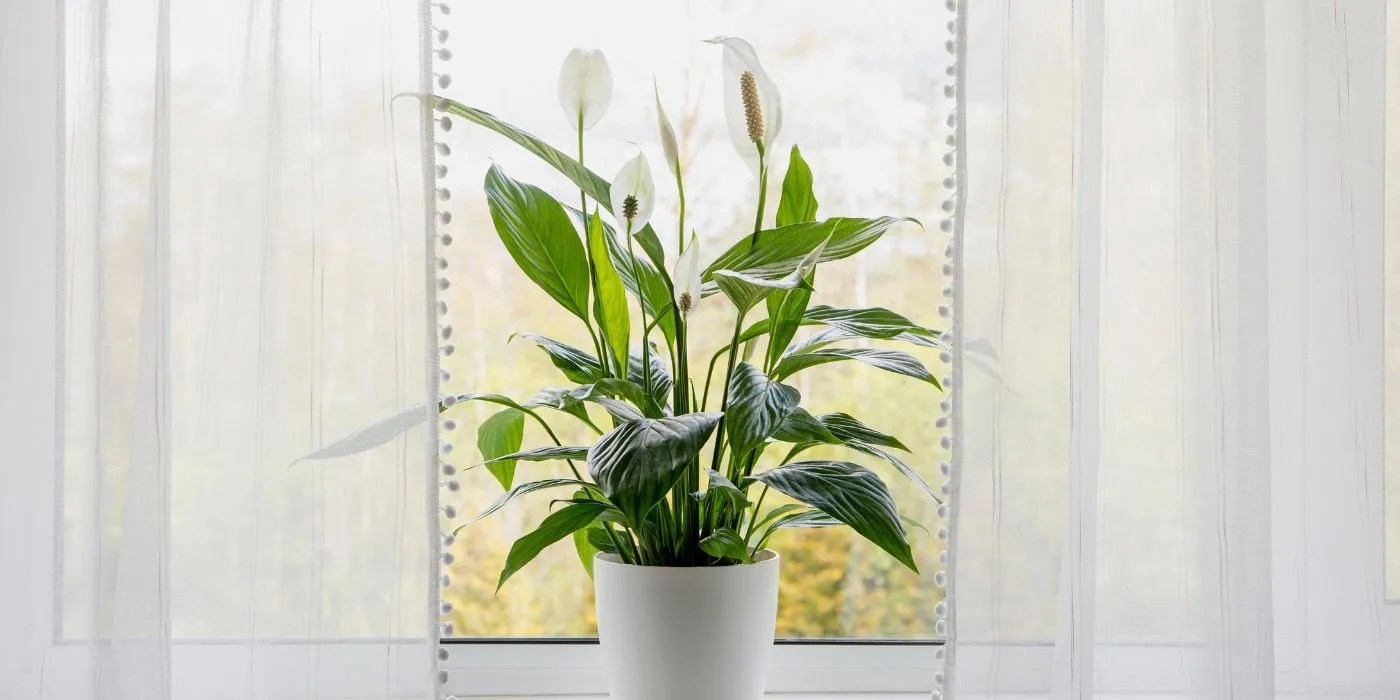
Image credits:FotoHelinvia Shutterstock
Light necessary
The plant requires a lower limit of four hours ofindirect sunlightper day .
Pinch off stem tips when the plant is young to boost bushy growth .

Image credits:Jus_Ol via Shutterstock
2The Peace Lily Is a Graceful Air Purifier
A flowering plant that thrives on neglect
The pacification lily(Spathiphyllum)is a stunning plant lie with for its refined white bloom that appear in spring and summertime . The plant does n’t demand frequent fertilizer applications , with its leaves turning chocolate-brown in the issue of excessive nutrient .
Its lush , dark unripe foliage summate a touch of sophistry to your indoor space , and its ability to tolerate low light conditions makes it an idealistic choice for areas with special sunshine . The pacification lily is also renowned for its air - purify dimension , making it one of thebest plants for creating soothing role spaces .
With their graceful appearance and resilience , it ’s no wonderlow maintenance plantsare a popular choice among industrial plant enthusiasts who want to enjoy the benefits of greenery with minimalgarden maintenance .

Image credits:FotoHelin via Shutterstock
The public security lily is hardy in USDA growing zones 11 to 12 .
Theseeasy plantscan expand indifferent types of soil , include sand , loam , and corpse with pH between 5.8 and 6.5 .
Provide your green associate with 1 inch of water per week .

Image credits:András Dénes via Pexels
The repose lily prefer eight to 12 hours of bright indirect luminousness per day .
Prune your peace lily properlyto conserve its cast and wellness .
3The Jade Plant Is a Resilient Succulent
A low-maintenance option for busy gardeners
One of theoptions that are perfect as both indoor and outside plants , jade(Crassula ovata)is amonglow maintenance plantsthat do n’t require frequentfertilizerapplications due to their power to put in nutrients in their deep , overweight leave-taking and stanch . The unique adaptation makes them an excellent choice for those who want to sum some greenery to their space without the fuss of regular garden job .
The plant life has leafage and stems that arrive in a chain of colouring , including unripened , carmine , and pink , add ocular interest to indoor or outside space . Its unique visual aspect also makes it suitable for utilisation inbonsaiortopiary transcription , adding a touch of elegance to your setting . Its resilience allows it to brook drouth conditions , making it a perfect choice for short gardeners .
Theeasy plantsthrive in USDA hardiness zones from 10 to 12 .

Image credits:Pixel-Shot via Shutterstock
The idealistic soil type for your jade flora is well - draining , sandlike loam grime whose pH is between 6.0 and 7.0 .
Measure the filth moistureto ensure that the upper 1 to 2 inches of soil is dry before watering your industrial plant .
commit yourplantsin a localization where they receive at least six hour of bright , indirect light per day .
The jade plant can be propagate from leaf or stem newspaper clipping .
4The Bird’s Nest Fern Is a Tropical Treasure
A lush and resilient houseplant
The bird ’s nest fern(Asplenium nidus)with its typical nest - like russet scab of large , wavy fronds , is a tropic fern that features idle green leaves resembling banana leaves , with a crinkled grain that summate visual interest to any indoor space . Despite their tropical origins , the depressed maintenance plant can be grown ashouseplantsin many mood , as long as they ’re keep in a tender environment with high humidity . The bird ’s nest fern does n’t require frequentfertilizerbecause of its ability to efficiently absorb nutrients from the land and overfertilizing can easily cauterise the industrial plant .
The skirt ’s nest fern thrives in USDA hardiness zone 11 to 12 .
The best soil types for theseplantsare loam and moxie , whose pH is 5.0 to 5.5 .
Allow the top 1 to 2 inch of soil to dry out out before you water your bird ’s nest fern .
verify that your shuttlecock ’s nest ferns meet a minimum of eight hours of indirect lightness . Use a ceiling or desk lamp to provide light or seat inthe best LED grow lights .
To observe optimal growing shape , obnubilate your plantsregularly or rate them ona pebble trayfilled with water .
5The Venus Flytrap Is a Carnivorous Sensation
A unique and fascinating insect eater
The venus flytrap(Dionaea muscipula)stands out as a bewitch carnivorous plant that decrease into the family oflow maintenance plantsdue to its unique feeding habits . The venus flytrap has evolved to thrive without it by capturing and digest insects . This adaptation allows the venus flytrap to fulfill its nutritionary needs without the typical trust on fertilizer found in other industrial plant , making it an challenging choice for those seeking to minimizegarden maintenanceandgarden chores . As one of nature’seasy plant , the venus flytrap showcases a singular self - sufficiency that sets it asunder in the earth of botanical wonders .
The plant does intimately in USDA mature zones 7 to 10 .
The Urania flytrap preferswell - drainedsand or sandy loam soil whose pH is between 4.0 and 5.0 .
invest the pot you ’re turn your plant in on a tray with water system 1 inch deep and allow the body of water to seep up into the grease in the pot . add up water once the tray is dry .
check that that your plant receives at least five hours of direct sunlight per day .
The best time to propagate the venus flytrap by division is late wintertime to other summer , according to North Dakota State University .
6The Aloe Vera Is a Medicinal Marvel
A succulent plant with a rich history
One of the mosthelpful plants you should add to your garden , aloe vera(Aloe barbadensis)is a succulent widely known for its medicinal properties . This evergreen recurrent rise unfounded in tropical , semi - tropical , and desiccated region worldwide . The farewell of theseplantscontain a gel rich in acemannan , a polysaccharide with various health benefits , making themlow criminal maintenance plantsthat thrive without the need for frequentfertilizer .
The plant ’s lifelike adaption to arid climates allows it to hive away water system in its leaves , providing the necessary nutrients without relying on fertilization . Aloe Vera is usually used for topical app , such as treating skin shape , minor burns , insect bites , and windburn .
Aloe vera prefers USDA hardiness zones 10 through 12 .
develop your succulent in chalky , loamy , sandlike , or clay territory with a pH between 7.0 to 8.5 .
leave water as soon as the top 2 inches of grunge sense teetotal .
According to the New York Botanical Garden , aloe vera require at least six hr of direct sunlight per day .
While aloe vera gel is in general safe for topical use , ingesting the plant or its extracts can be life-threatening .
Enjoy Great Plants With Less Garden Maintenance!
The populace oflow sustentation plantshas a diverse raiment of botanical wonders that thrive without the need for frequentfertilizer . From the enamour venus flytrap with its carnivorous habits to the various aloe vera with its healing properties , these works varieties case nature ’s ingenuity and resiliency . By understanding their unique adaption and care requirements , garden enthusiast can cultivate a dark-green haven with relaxation . encompass the beauty and simplicity of theseeasy plantsin your garden today and experience the joy of nurturing nature without too manygarden task .
