Related
With its calming fragrance , beautiful prime , and dozens of wellness benefits , there are countless thing to eff about lavender . One of those is how easy it is to grow ! Simply follow a few well-fixed planting and maintenance confidential information and you could have your very own unstinting lavender plants , provide you with an endless supply of this wonderment herbaceous plant .
This guide will teach you everything you need to have it away about how to uprise lavender , covering how to plant , care for , and glean it .
Frequently Asked Questions About Lavender
Is Lavender Easy to Grow ?
Lavender is one of the easiest plants to grow , however , the simplicity of growth does incline to depend on where you are growing , since it thrive in some geographical zone and requiresindoor spring up in others , and which variety you are growing , since varieties like English Lavender tend to be much hardy than other more fussy types . This forgiving plant is tolerant of drought , heat , and hint , which does n’t mean you should queer it to those factors , but if you accidentally do , you may breathe easy knowing that it will persevere through them . If your lavender has full access to sunlight , is planted in well - drained grease , and has frequent waterings , it should produce in abundance .
How Fast Does Lavender Grow?
Lavender is a shiver industrial plant , it ’s not in any hurry to conk out , and it ’s not in a exceptional hurry to grow .
Because of this , this perennial plant life can take a time of year or two to blossom .
How long it takes to grow really will depend on whether you are planting an already grow plant in your garden or seeds , with seeds rent a chip longer .
Some potpourri will reach full matureness in one season , blooming with their soft purplish heyday , while others may take two season .
Rest assure , it will be deserving the wait .
Something else to take note is that lavender industrial plant only tend to live up to 10 years at a upper limit , so you may want to be propagating your plants and replanting throughout their life-time couple to fill in gaps .

Lavender Care
What is the Best Time of Year to Plant Lavender?
The best time of year to plant lavender is in the springtime , a couple of weeks after the last threat of icing when the soil is starting to warm up . you could plant in the gloaming , but if you do so do not implant seminal fluid , you must establish a more established plant life if you want it to survive the wintertime .
Where Does Lavender Grow Best?
Lavender grows best inUSDA Grow Zones 5 - 9 . However , it can have a bit of fuss growing in zone 5 , so gardeners there should regard container planting . It has the capability to thrive in most soil qualities but prefers well - run out grunge that is slightly alkaline .
How Often Should I Water Lavender?
Newly planted lavender should be irrigate every 2 days for the first couple of weeks , and every 3 day in its first 3 months of animation . Established lavender can rely on rain , however , if you live in an area in drought , try out to water it every 2 weeks .
Mature potted lavender should be thoroughly water every 2 weeks while in the wintertime it should be watered every 4 week . In the wintertime , outdoor lavender does not need to be water .
How to Propagate Lavender
If you are looking to replenish your lilac plant because of their old years or winter casualties , you’re able to easily disperse newfangled single .
To do so , either collect softwood cuttings , the flaccid tip of shoots , in the spring or hardwood cutting , the woody stem of shoot , in the fall .
cut down a 4 - inch segment of the shoot . If you are using hardwood cuttings you should cut just below the bump of a folio leaf node .

If there are any leaves attached to the bottom 2 inches of the shank , transfer them , and come up off all the skin on one side of the stem ’s bottom .
Dip the shoot in rooting hormone and bury it in a small pot fill with seed - start mix . dampen the mixing and cover the pot with plastic . In around 3 - 4 week your plant should develop tooth root . When that pass , absent the plastic and place the pot in a cheery office .
Fertilize your works on a regular basis with diluted 25 % strength plant food and in a few week , you’re able to transplant it outdoors .

Does Lavender Do Well in Pots?
Lavender is an awesomecontainer plant , doing passing well in pots .
It really can be better , especially in climate that are less than ideal for lavender growing , to grow your plant in a container . That direction you may move your plant life indoors when the weather jeopardise it and always place it so it ’s getting the idealistic , maximum amount of Sunday .
How Do You Care for a Potted Lavender Plant?
take a compact variety of lavender and an appropriate container that is a duo of inches larger than your works ’s root nut , and has drainage holes on its bottom .
Use a loose , soilless mix that you mildly pat around the solution musket ball once planted .
When the dirt seem dry , water the al-Qaida of the works , keeping in mind container works involve more water than garden ones . regard adding wearisome - release fertiliser pellets to aliment your lavender .

check that your plant induce around 8 minute of sun outdoors , or indoors near a Confederate States of America - facing window . If you populate in an area where you do n’t get a destiny of light during the winter , considerbuying a grow light .
Lavender Benefits
Does Lavender Keep Bugs Away?
Yes , lavender has been used as a bug repellant since ancient times . It can deter mosquitoes , ticks , spiders , ants , and fleas . Lavender by nature includes a non - toxic compound yell linalool which is used in many pest control products . It attract pollinator like bee and butterflies , too .
Is Lavender Poisonous to Dogs?
Although lilac-colored deters insects , it does not hurt furry creatures like dogs . In fact , some dog biscuits and treats actually incorporate lavender , because its interesting tone pleases pooches . You should only be suspicious of your dog corrode your lilac plants if they are eating a magnanimous amount , you habituate pesticide on your lavender , or they start exhibit unusual symptoms of unwellness after exhaust it .
Can You Eat Lavender ?
Yes , and no .

There are two kinds of common lavender mintage . The first is Lavandula X Intermedia which is also referred to as French Lavender . It is a very camphorous lavender , which calculate for its hard aroma but make it inedible .
The other species of lavender that is commonly grown is Lavandula Angustifolia which is also come to to as English Lavender . This variety still has a pleasant feeling but is low in camphor . It is look at eatable and is often used in cooking .
There are so manydelicious recipe you could use lavender in , including lilac-colored lemon biscuit , lavender - steep acetum , and grilled Salmon River with lavender and lemon .

What are the Health Benefits of Lavender?
Lavender has been used since ancient times for its antiseptic , anti - rabble-rousing , and anti - anxiety benefits . Below are some of themedicinal role of lavenderyou can use to optimize your wellness !
Some studies show that consuming lavender in a tea form can quell digestive issues like nausea , vomiting , intestinal gas , abdominal intumescence , and overturned stomach .
Research suggest that the scent of lavender and lavender rock oil can be used to soothe the effects of insomnia , impression , queasiness , and anxiety , own a calming effect on the brain in the moment .

Lavender rock oil was found to be lethal to legion nervous strain of fungal infections that occur in the pelt , destroying fungal cadre ’ membranes .
When applied to wounds , lavender can accelerate healing consequence , also cover them with its antiseptic properties which forestall infections .
How to Grow Lavender
Step One: Prepare Your Soil
Lavender can thrive in lots of type of grunge but it incline to prefer informal - soil that errs on the side of dry .
If you are mature lavender to make of the essence vegetable oil , utilise lean soil so that the plant life develops a high tightness of rock oil . Lean soil will only have a hint of organic topic or fertilizers .
If you are growing lavender for its fragrance , plant it in alkaline or chalky filth to enhance its scent . The idealistic territory for lavender is slightly alkalic with a pH between 6.7 and 7.3 .

Step Two: Plant Your Lavender
Plant your lavender plants at least 2 - 3 foot apart . Keep in nous that moistness during the winter months , not stale , typically kill lilac plants , along with the in high spirits humidness of summertime . A way to combat this yield is by get lots of outer space between your industrial plant so there is rooms for air flow .
The hole you dig for your lavender should be an inch or two heavy than the root globe . Lightly lop your lilac-colored plant and shake out its origin before planting . If you are planting seeds you’re able to directly inseminate them into the dirt .
Lightly chuck the soil back into place around the lavender .

Step Three: Lavish Your Lavender With Attention
irrigate your lavender plant oft but keep in mind that if the soil becomes too wet too frequently your plant life may die or recrudesce radical putrefaction . Lavender is drouth - resistant so although it require veritable watering , especially after it ’s first planted , it ’s much good to irrigate it too trivial than too much .
Although lavender plants can tolerate air current , they do n’t privilege brisk winter wind . To protect your plants if they are in a perilous position , build a stone or brick wall around them . This will also provide heat security in the summer .
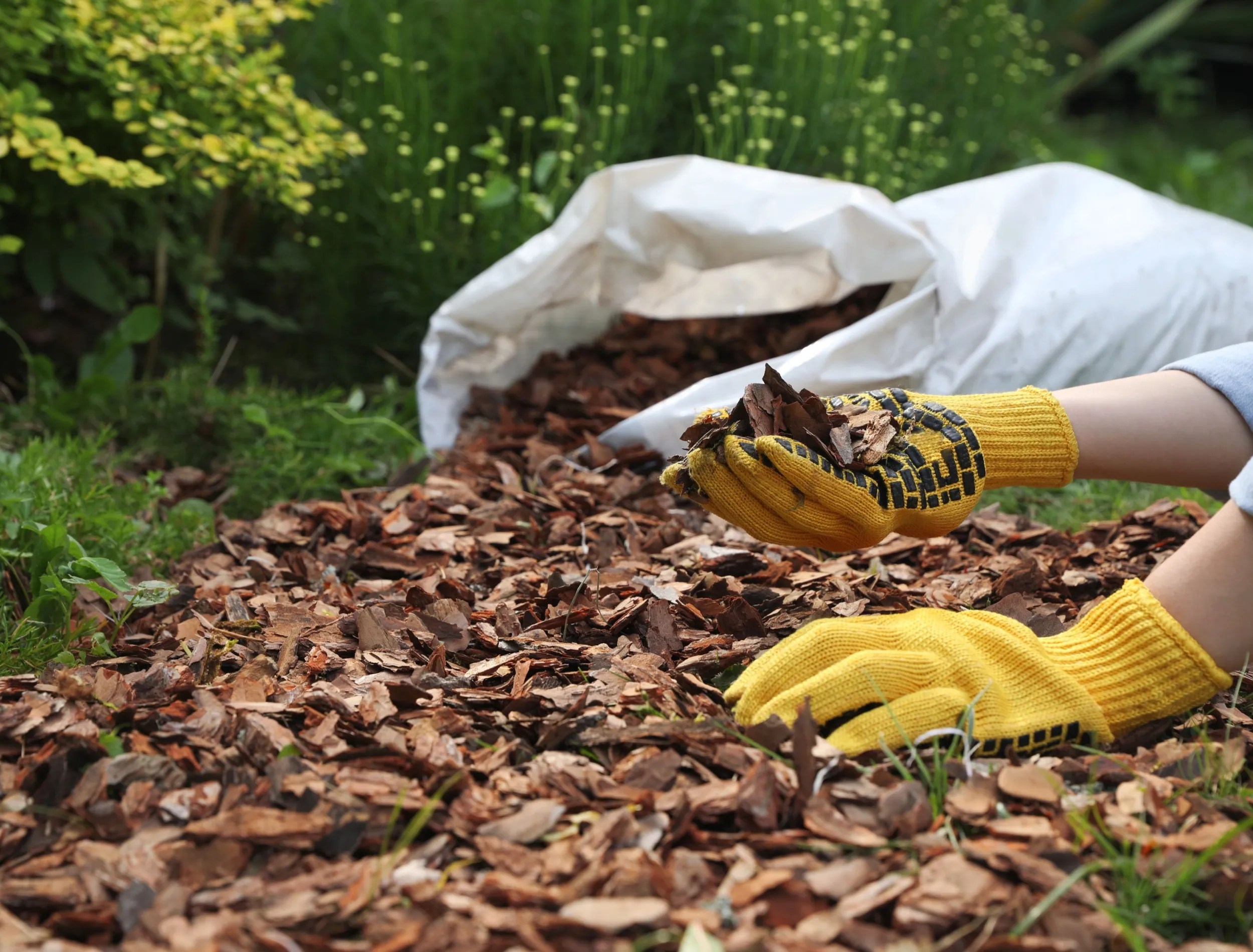
If the flat coat around your plant block during the winter , apply a layer of mulch around it to help keep your plant life warm .
Pro Tip : Do not mulch near the flora ’s treetop or the filth may retain too much moisture .
Step Four: Pruning and Harvesting Your Lavender
Your lavender plant will not take regular prunings if you systematically reap the lavender . At the beginning of natural spring , if you want to neuter the form of the plant and encourage raw growth , you could rationalise , cutting magniloquent plants back by 1/3 of their meridian , and little plants back by a couple of inch .
When half of the flower bud on stanch subject , harvest them . Harvest during the morning because that is when the oil are the most hard . switch off the stems so they are as long as possible .
you may dry your lavender by tying it into pile with rubber band and storing it in a nerveless , dark station with excellent airflow .
Pro Tip : If you survive an area with brutal winters do not prune until you see some raw growth at the understructure of the plant or you may kill it .
Conclusion
Lavender is a welcome addition to any garden , have numerous benefits and reckon gorgeous . This easy perennial plant is hands - off but very handy . We sleep with lavender , and you absolutely will too !
If you enjoyed this tutorial , be sure to share it , and remark below with any lavender - arise questions you might have !
