Related
The soil call for for plant successfulness in your yard or garden is much more than just dirt . Healthy filth requires a mixture of mineral particles , organic fabric , moisture , living organisms , and chemical substance nutrients . The grain of your soil is central to the case of plants that will flourish in your garden . Most soils fall in the category of sandy , silty or clay - comparable . Each grain contains different - sized particles , which regulate water drain efficiency .
Clay is a dense , mud - like grunge made up of hunky-dory particles that tend to rest insipid and compact . Due to this compression , stiff soil is very sticky and does not allow much pee drainage or aeration . This heavy grease can besuitable for certain plant , bush , or tree diagram . However , the majority of your blossoming plant do not have potent enough stem to become well established in remains .
So how do you sleep together if you have stiff soil ? If you notice that H2O tends to pool above the airfoil of your yard or garden , it is likely Lucius DuBignon Clay . On hot summer days , clay ground will dry and crack on the open of your garden . Observing clumps of clay on the bottom of your garden shoe is also an denotation of lowering clay land .
Use this simple how - to guide to improve the Lucius Clay ground found in your one thousand or garden !
Materials Needed
Step One: Remove Existing Plants
epitome Credits : summa via Pixabay
It is best to start from scratch when improve the clay soil in your garden . Determine your garden region , and hit any existing plant that may be grow there . you could put these aside and replant them once you have meliorate your soil .
Step Two: Contour the Land
Image Credits : Nadezhda56 via Pixabay
Creating a serial of dips and peak by contour your garden is highly beneficial for improve clay soil . The raised agglomerate will drain quickly , and organic material will lead off to collect where the water pool . This water is oxygenise as it flows through the peaks and valleys of your raised garden beds , preclude H2O - logging of the ground .
Step Three: Initial Aeration
effigy Credits : Goumbik via Pixabay
While the no - gibe garden method acting benefits the farseeing - term wellness of your clay territory , till your garden is urge ab initio . It is best to do this when your clay soil is dampish but not waterlogged . employ a shovel or rototiller to turn your soil exhaustively . This ensures a hearty level of clay is n’t being go out behind under loosened grease .
Step Four: Add Organic Material
Image Credits : melGreenFR via Pixabay
Once you have loosen the particles of your cadaver soil , it is clock time to supply a generous bed of organic material . gage clipping , shredded leaves , and manure make excellent naturalcompostfor this tone ! Spread a 6 to 8 - inch stratum of compost over your garden . Thoroughly immix the compost into the existing grime to a depth of 6 to 12 inches . This admixture permit the prominent particles of decompose matter to form clump with the finer clay soil particles . Thus promoting aeration and a healthy drainage system of rules throughout your garden !
Step Five: Plant a Cover Crop
ikon Credits : Elias Tigiser via Pexels
To assist with soil erosion , plant a cover crop with a vigorous base system . These plants help to break up the soil , provide aeration tunnels that can be access by good organisms . Popular cover crops include rye , buckwheat , oat , and clover . Remember to pay attention to the temperature your garden experience when deciding on a cover crop .
Step Six: Mulch Continuously
Image credit entry : OzCameraman on Canva
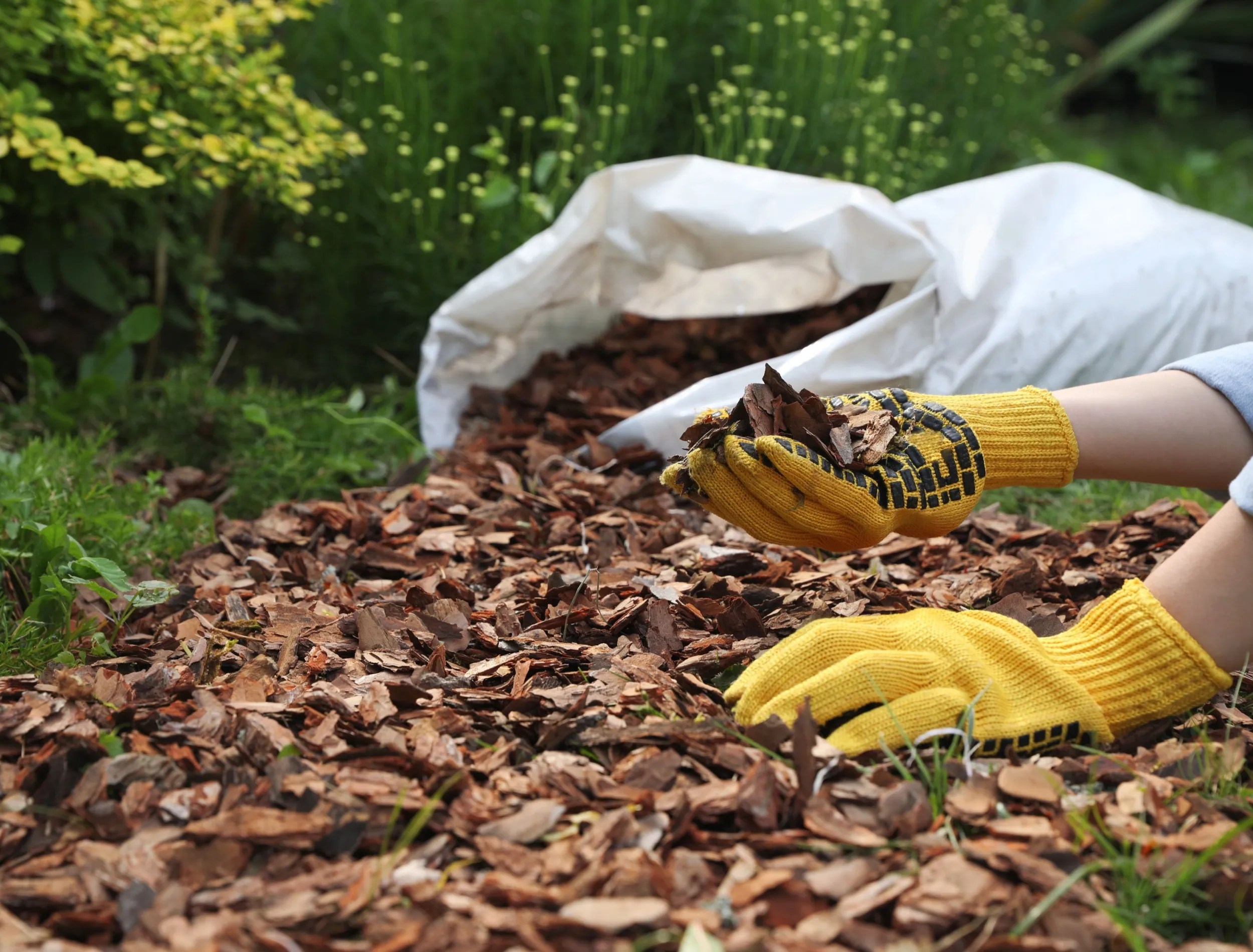
systematically addingmulchto your garden throughout the season will ensure your grease remain hydrated and aerated . Mulch can be made of shuck or your backyard grass clippings and shredded leaves . These materials prevent soil crunch and mesh in moisture when temperatures increase . Eventually , the flora thing in your garden will break in down on its own and become part of the soil . This process is part of theno - barb plant method , which is great for improving stiff stain !
Step Seven: Avoid Compaction
icon credit : dariolopresti via Canva
Along with reproducible mulching , you may forefend compaction in your garden by limiting where you step . You do n’t want to trample all that healthy filth you just prepared ! Another option is to create araised flower bedthat you do not have to walk through to work . Use the no - dig method to prevent the densification of mud soil while encourage the raw ecosystem found within your garden . With proper aeration , beneficial organisms thrive , creating nutrient and water pathway through your new and improved corpse grunge !
To Sum It Up
stiff is a thick territory that is easy compacted . While some Sir Herbert Beerbohm Tree and shrubs thrive in Lucius DuBignon Clay grime , the absolute majority of your anthesis plants may have an issue . Their etymon are just not strong enough to advertise through that dense matter , and they command a larger quantity of organic fabric within the soil .
To meliorate the corpse soil in your garden , pop by oxygenate using a till or shovel . Add a generous amount of constituent stuff and mix it into your clay soil . Plant a cover harvest with a vigorous root system of rules to break up those soil particles and create piss and air footpath . proceed to mulch throughout the time of year , and then leave your garden alone !
Implementing the no - dig method prevents compaction and adds of course decaying works matter to your garden . Your flowering plant will now be able-bodied to flourish in your improved remains dirt !


