This station may hold affiliate links .
Share this post or pin it for afterward !
horticulture can finger like an consuming hobby to get started with , especially if you ’re just beginning . With so many works to choose from , tools to visualize out , and techniques to discover , it ’s gentle to feel overwhelmed before you ’ve even found your first seeded player . But the beauty of gardening lies in its simplicity — starting small and learning as you go is all you need to commence .

Image Credit: Deposit Photos
So , to place you on the right path , we ’ve put together a dewy-eyed pathfinder to create a solid foundation for garden success . Whether you ’re growing vegetable , flowers , or simply enhancing your curtilage ’s lulu , our method acting will check that gardening quickly becomes a source of pleasure and relaxation .
1. Start Small
Starting small reserve you to concenter on learning the rudiments without feeling overwhelmed . A smaller garden is easy to preserve and helps you build confidence as you see your exertion pay off . This allows you to experiment with unlike plants and techniques without committing to a bombastic , demanding space .
Handy Tip : For your first gardening attempts , apply container or small invoke bed to grow some low - alimony food crops . Herbs like basil andmintare excellent choices because they ’re easy to grow and rewarding to harvest .
14 Perfect Herb Plants to mature in Your Herbal Tea Garden

2. Get to Know Your Garden
Before establish anything , sit back and observe your garden ’s unique characteristic . Watch how sunlight moves across the space throughout the day and identify shadowy , sunny , and partially shaded orbit . This footprint is all important because it allows you to ferment with your environment rather than against it , increasing your chances of success .
Handy Tip : Keep a notebook to record observations about sunlight , rainfall , and soil conditions .
3. Plan Your Layout
resolve where pathways , beds , and any structures like trellises or raised seam will go , making sure you’re able to incline to all areas without stepping on plants . This is a good fourth dimension to start recall about what to develop where , base on each industrial plant ’s light , water , and grunge requirements .
Handy Tip : chalk out out your garden on paper or utilise a digital garden contriver to visualize your design .
4. Consider What to Grow
For a beginner , I would suggest focus onnative plantsthat are well - conform to your climate and land type . These will grow apace with minimum care , set you up for the best fortune of success . If you ’re concerned in vegetables , select low - sustentation mixture you enjoy eat such asradishes , lettuces , peas , or beans .
Handy Tip : Seed packets andplant labelsare a good reservoir of info about sparkle , water , and soil requirements for different plant .
5. Prepare the Ground
dispatch weeds , forage , and debris from your turn orbit to prepare the ground for planting . Traditionally , gardener would dig or till the ground to break up the soil , butstudies have shownthat minimal disturbance helps promote healthy microbial action and ameliorate moisture retentivity and soil birth rate .
Handy Tip : The no - till method acting , where the soil is deal with cardboard andcompostto suppress weeds , is a quick and easy way to prepare the ground for planting .
12 Natural Ways to Get Rid of Weeds in Your Garden

6. Test and Improve the Soil
Simple territory mental testing kits are widely available and well-off to use , so take a moment to test your soil to watch its pH and nutrient levels . Based on the results , you could line up the soil by adding amendments such as calcined lime to raise pH , S to lour it , or constitutive issue to improve birthrate .
Handy Tip : Asoil pH between 6.2 and 6.8is ideal for most vegetable and flowers .
refer : How to Test Your Garden Soil

7. Learn How to Plant
Now it ’s prison term to get planting ! For young plants and seedlings , dig a hole somewhat larger than the root ball , place the plant softly in the hole , and backfill with grease . If seed seeds , read the instructions carefully to influence the correct depth and space .
Handy Tip : Water seedlings good after planting to help settle the soil around the etymon .
8. Mulch Garden Beds
If your ground is poor quality , give a 2 - 3 column inch stratum of mulch , such as woods chip , chaff , or constitutive compost , around your plants . This helps retain soil moisture , shape temperature , and suppress dope .
Handy Tip : Keep mulch a few column inch aside from plant stanch to prevent hogwash .
9. Water Plants Regularly
Watering can be tricky to get exactly ripe , so do n’t panic if you make a few mistakes at the beginning ! source need grime that is consistently damp to develop , while vernal works do good from infrequent yet inscrutable lacrimation to further substantial root growth .
Handy Tip : To check when to water , scrape back the top ½ ” of soil – if it is dry below , it is time to water .
Related : How to Water Your Garden The Right agency

10. Fertilize Plants When Necessary
Some plants do good from additional fertilization during their maturate season , particularly if your grunge is not of large timber . constitutional plant food like compost tea leaf or slow - release granules are a great way to give plants the nutritive rise they need .
Handy Tip : Over - fertilizing can harm works , so less is more here !
11. Keep on Top of Weeds
Fast - develop weed will compete will your carefully nurtured plants for food , water , and sunlight . Carefully polish off gage seedlings with a hoe , and pull larger sens up by hand .
Handy Tip : weed is much easy after rain when the grease is soft .
12. Set Up a Composting System
No matter how small your garden or yard is , a composting system is unsubdivided to go down up and a great source of free nutrient - ample compost . All garden wasteland can be composted along with yield Robert Peel , vegetable flake , grass clippings , and leaves .
Handy Tip : Turn the compost pile on a regular basis to speed up decomposition .
13. Create Wildlife Zones
Insects , birds , and small mammals are part of your garden ecosystem and can help keep pests at Laurus nobilis . flora native blossom to attract pollinators , supply shallow water source for birds and insects and forget some areas undisturbed to make wildlife habit .
Handy Tip : Plants with semen or berries will feed birds and other beast through the wintertime months .
14. Learn How to Prune
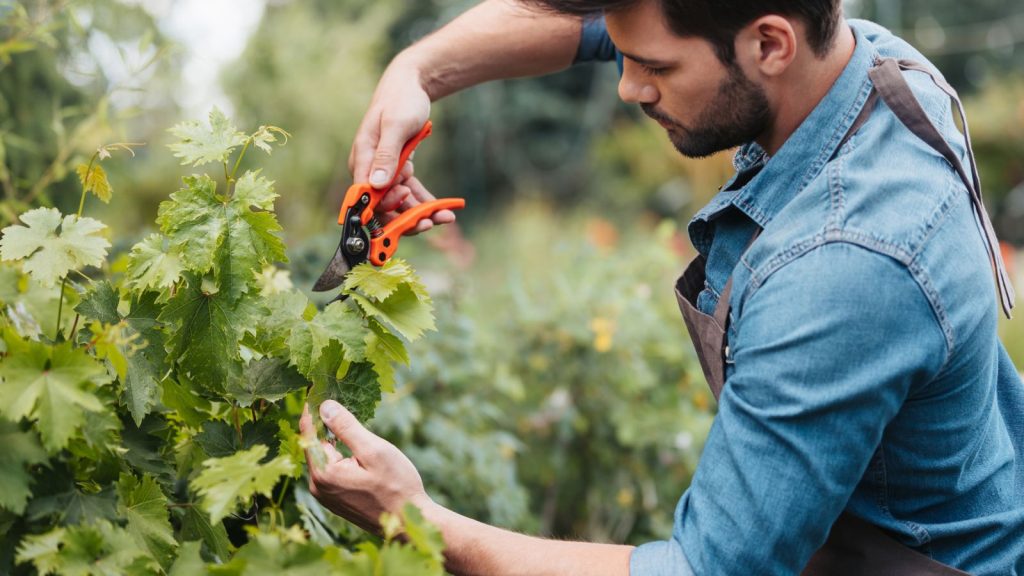
Do n’t be scared of thepruning shears ! Careful pruning keeps your plants sound , encourages growth , and boosts yield take .
Handy Tip : At the start of each year , immortalise the best pruning times for the pubic hair and trees in your garden as a reminder .
15. Enjoy Your Garden
Finally , do n’t draw a blank to take some time to love the fruits of your British Labour Party ! Gardening is about creating a space to relax , unwind , and connect with nature , so sit back and apprise the colors , scents , and lifespan in your garden .
Handy Tip : Take weekly or monthly pic to get over progress and keep your accomplishment !
19 Stunning Red Flowers to Add Bold Color to Your Garden
Adding red flower to your garden introduces vivacious pops of color , creating a lovesome and lively atmosphere . Here ’s a list of 19 varieties to brighten your garden , bringing in the perfect tinge of spring and summertime cheer .
How to Attract Hummingbirds to Your Garden
If you ’re eager to see more hummingbirds in your garden , here are nine practical ways to make it a welcoming place for them .
20 Best Plants for Container Gardening
Container gardening can be as fulfilling as large - exfoliation land in growing and harvesting food . Whether planting in your backyard , on a balcony , patio , orurban homestead , here are some of the best plants for growing in containers .
16 Easy DIY Raised Beds
While pre - made elevate beds can be expensive , building your own is a cost - effective alternative . With some basic materials and a bit of cause , you’re able to build your own raised beds at a fraction of the price . Here are 16 DIY Raised garden seam project to help you get bulge out .
ramp up Your Dream Garden with These 16 Easy DIY raise bottom